
Local travel ideas for retirees: You don’t have to go far to begin
You do not need a big trip to begin exploring again. Sometimes the first step is a quiet walk somewhere new, a nearby garden, a historic town, a local café, or a place you have passed many times but never noticed.
Perhaps part of you wonders whether a nearby outing is enough to call it exploration. The answer is yes. Beginning close to home is not a lesser version of travel. It can be the place where confidence, curiosity and enjoyment begin again.
In this article, we’ll explore some simple local travel ideas that can help you begin without pressure, big plans or going far from home.
Local travel still counts as real exploration
Travel is not only about distance. It is also about curiosity, attention and the way a place helps you feel more awake to your own life.
As I get older, I am beginning to realise that travel close to home can still meet my need to explore and help me know my own community better. Distance does not matter as much as curiosity and presence.
Even familiar places change over time. New cafés open, walking paths improve and exhibitions and local events come and go.
Why local travel can be a good place to begin
If it has been a while since you travelled, beginning close to home can feel easier than planning a bigger trip. There can be less time spent managing logistics and more time to enjoy the experience.
It can also offer a simple way to rebuild confidence and notice what kind of travel feels right for you now.
Travelling locally can also be easier on the budget.
A personal note: what I discovered close to home
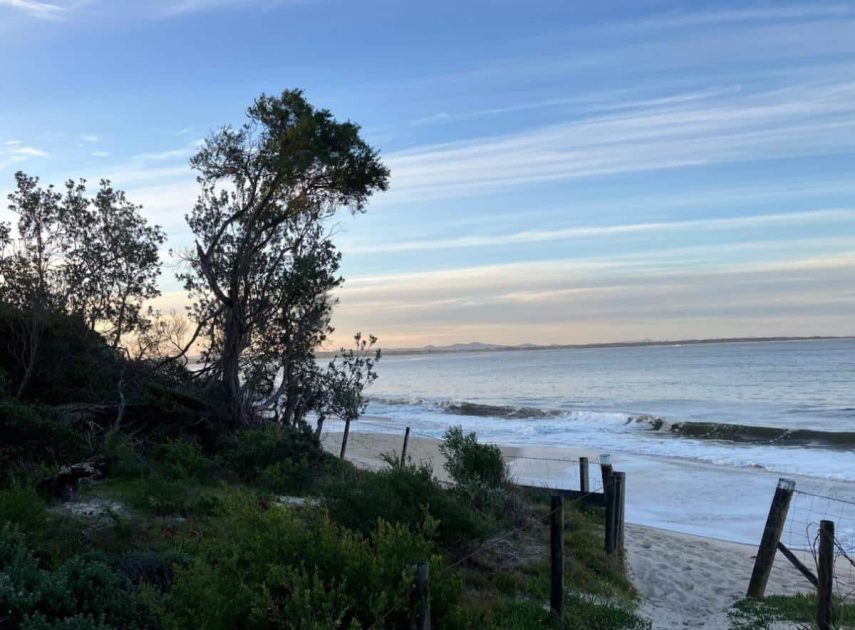
I discovered this recently when we stayed in an Airbnb only 20 minutes from our next home while we were looking for a rental property.
As it was outside the busy season, the area felt quieter than it might at other times of year. The beachfront promenade and restaurants were within walking distance, so we could leave the car behind and explore on foot.
Most evenings, we watched sunsets and took leisurely walks, not far from our accommodation. We saw dolphins, discovered small historical monuments and walked up a nearby hill.
Listening to the waves at night was a treat, even during a storm. The best part of staying local was feeling less pressure. There were no long trips or unfamiliar navigation.
What surprised me most was how calming those small moments of exploration became.
I learned this by accident during a stressful week, not because I had planned a perfect local escape.
How to use these ideas without pressure
You can try these ideas on your own, with your partner, with a friend or as part of a small local group.
Notice what feels inviting. Can you imagine yourself there?
Perhaps there is something you always thought you’d do one day, but haven’t quite got to it yet.
7 local travel ideas for retirees who want to start small
You do not need to choose the most impressive idea. Choose the one that feels easiest to say yes to.
1. Visit a nearby garden or park
A nearby garden or park can offer seasonal flowers, open space, shade and a change of scenery. If comfort or accessibility matters to you, check beforehand for paved paths, seating, toilets and parking.
It can be an easy way to begin, with little planning and a chance to slow down and notice something beautiful close to home. Seasonal changes can make each visit feel different.
Inspiration: botanical garden, rose garden, riverside park, coastal garden, lakeside path, woodland walk, or public park with benches and a café.
A local council, tourism website or visitor information centre can be a useful place to discover parks, walks, heritage sites and events you may not have considered.
2. Take a scenic drive
A scenic drive allows you to explore without much walking. It may feature lookout points, peaceful roads, quaint towns, beaches, rural landscapes, lakes, or spots to stop for coffee or lunch.
If you enjoy company, you might invite a friend or family member along.
A scenic drive can offer a sense of movement and discovery without needing to plan a full trip.
Inspiration: A coastal road with places to stop, a countryside drive through small villages, a lake loop, a heritage route, or a drive to a lookout followed by lunch.
3. Explore a historic town or district
Historic towns or districts often have old buildings, statues, churches, museums, independent shops, quiet streets, and cafés. Many places offer self-paced walking tours.
For me, learning something about the history of a place can add another layer to the experience. It can turn a simple outing into a small journey through memory, place, and time.
Inspiration: A nearby heritage town, an old main street, a historic district, a restored village, a local churchyard, or a town with a walking history trail.
4. Spend a slow morning at a museum or gallery
Museums and galleries can be an easy option when the weather isn’t ideal and can often be explored at your own pace. Some also provide seating, cafés, tours or quiet rooms.
This gives you something interesting to absorb without needing a busy itinerary. It can spark curiosity, creativity, reflection and conversation.
Inspiration: A local history museum, small art gallery, maritime museum, photography exhibition, craft gallery, or regional cultural centre.
5. Visit a farmers’ market or local food destination
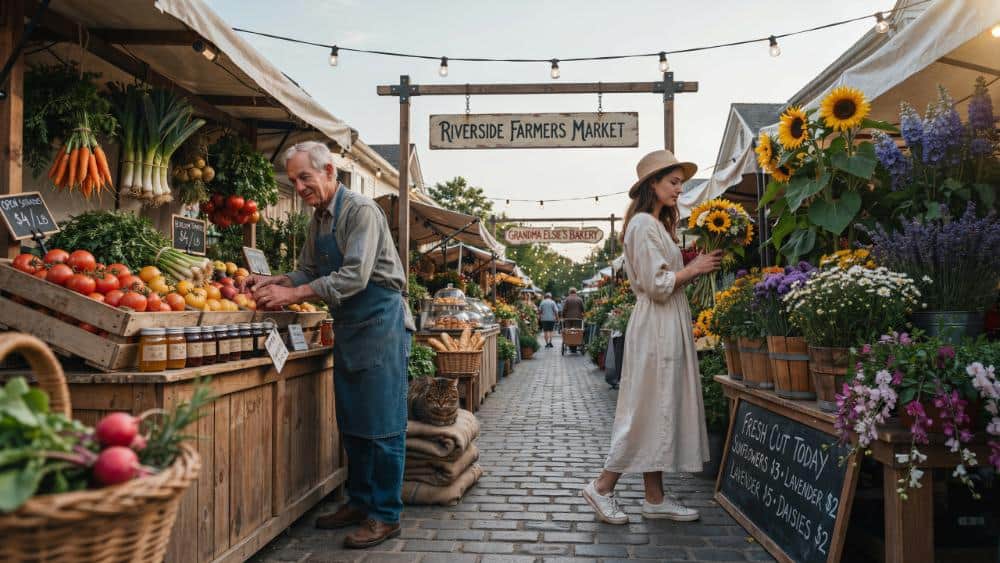
A farmers’ market or local food outing can be an easy way to experience somewhere through its produce, cafés, bakeries and atmosphere. It’s a sensory experience without much travel.
Many markets are free to visit, so you can enjoy browsing, sampling and taking in the atmosphere, even on a small budget.
This type of excursion can turn an ordinary morning into something more memorable, social and connected. You may even come home with something that reminds you of the outing later.
Inspiration: A weekend farmers’ market, local bakery, farm shop, vineyard lunch, food festival, waterfront café, tea room, or regional produce trail.
6. Try a local tour, talk, or visitor centre outing
Local tours, talks and visitor centres can provide structure, local stories and ideas for places you might otherwise overlook. They can also take away some of the pressure of deciding what to see or where to begin.
Inspiration: A guided heritage walk, garden tour, library talk, local history talk, visitor centre stop, wildlife talk, artist studio tour, or community lecture.
7. Plan a simple staycation or weekend close to home
A staycation can be one or two nights away or a planned “holiday at home” with no chores, while still staying within your local area.
This can feel like a real break without the stress of long-distance travel, while still giving you a sense of rest, discovery, and change.
Inspiration: A night near the coast, a weekend in a nearby town, a local Airbnb within 30 minutes of home, a midweek hotel stay, a quiet cottage, or a staycation with walks, cafés and nowhere you need to be.
Important note: no chores!
How to make a local outing feel more like a trip
Sometimes it helps to look at your own area with the curiosity you might bring to a new place.
You might visit your local visitor information centre or look online for something you’ve never noticed before.
For peace of mind, let someone know where you are going, keep your phone charged, and choose places that feel comfortable for your energy and confidence on the day. A little preparation can make the outing easier to enjoy.
Take the scenic route. Pack your camera and notebook.
Allow time for meandering along the way. Stop for coffee, lunch and scenery or a walk.
How to choose the right idea for you
Before you go, consider anything that matters to your comfort, such as parking, toilets, seating, walking distances and opening hours.
If nothing immediately comes to mind, you could ask yourself:
What feels easy?
What feels interesting?
What feels restful?
What feels accessible for you?
If it isn’t quite right on the day, can you easily change your plans or head home?
Would you still enjoy the experience even if the weather changed?
One small way to begin this week
You don’t need to plan a full trip or make a big decision today.
Choose one idea from this list and sit with it for a few days.
Let it be small. Let it be easy. Let it be enough.
Where to go next
If you are new here, you may like to visit the Begin Here page. It offers a simple way to explore Retirement Wanderlust and find the next step that feels right for you.
If travel has started to feel different for you, you may also like this reflection on why that shift can be part of retirement rather than a problem to fix.